Ponderosa Chimney
Call Now Get a Quote
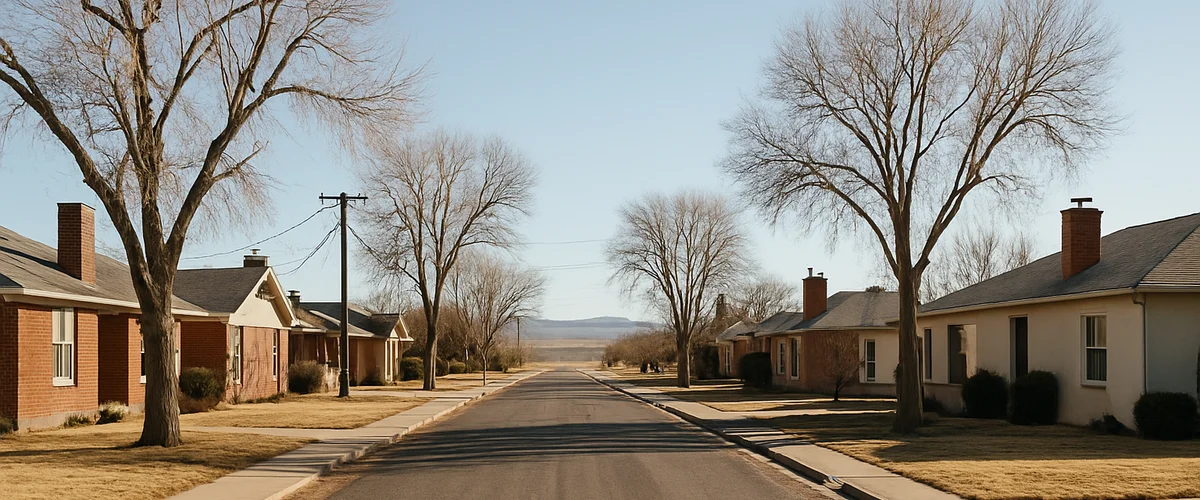
Show Low · Pinetop-Lakeside · Snowflake, AZ

Chimney Work for the White Mountains, Written Down Every Time

Sweeping, crown repair and waterproofing before the monsoon, and wood and pellet stove service - across Show Low, Pinetop-Lakeside and Snowflake.

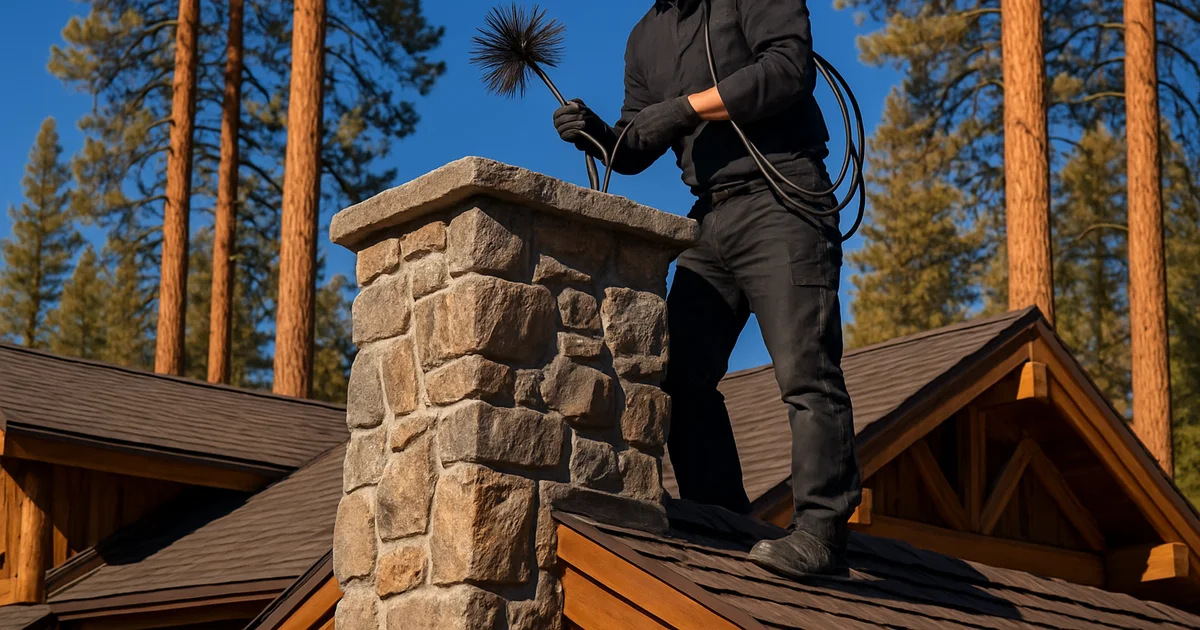
Chimney sweep working on a stone chimney among ponderosa pines, Show Low, AZ
Firm price before any work starts Level 1 inspection with every sweep Photos sent to absentee owners Same rate in all three towns

What We Do

Three services, one crew, and an honest answer about which one your house actually needs.

Service 01

Chimney Sweeping

Creosote out, Level 1 inspection every visit.

Stone and masonry chimneys, class-A insulated pipe, wood stoves and inserts. We sweep the flue, clean the firebox and smoke shelf, and inspect what the brush uncovers - then tell you plainly whether anything needs doing.

  • Wood stoves, inserts, pellet appliances and open fireplaces
  • Photographs of anything we flag, taken on the day
  • Drop cloths and HEPA vacuum - no soot in the house
More on Chimney Sweeping
Service 02

Chimney Waterproofing & Crown Repair

The monsoon does more damage here than the fire does.

Cracked crowns sealed or rebuilt, masonry treated with breathable water repellent, flashing resealed. This is summer work, and it is the difference between a few hundred dollars now and a reline later.

  • Crown cracks sealed, badly gone crowns rebuilt
  • Breathable repellent that lets masonry dry, not a plastic film
  • Step and counter-flashing resealed while we are up there
More on Chimney Waterproofing & Crown Repair
Service 03

Wood & Pellet Stove Service

Gaskets, baffles, augers and exhaust blowers.

Wood stoves and pellet appliances both. Pellet stoves in particular are machines with moving parts and an annual service interval, and up here they get run hard enough to need it.

  • Door and glass gaskets, firebrick and baffle replacement
  • Pellet augers, hoppers and ash-caked exhaust blowers
  • Draft problems diagnosed before parts get sold to you
More on Wood & Pellet Stove Service
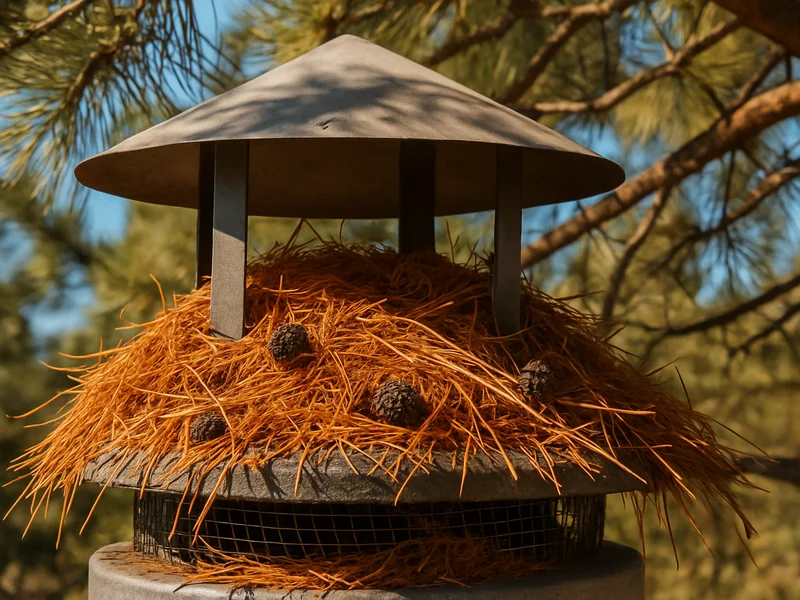
A chimney flue filled with pine needles under overhanging pines
One summer under ponderosas. This is why an open flue is not a small problem here.
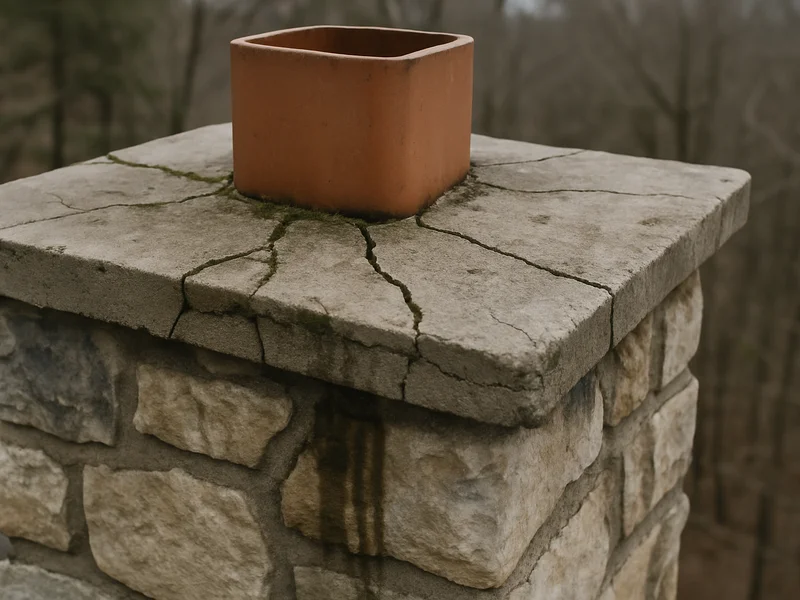
A cracked chimney crown with water staining below
A crown that has taken a few monsoons. Cheap to seal now, expensive to ignore.
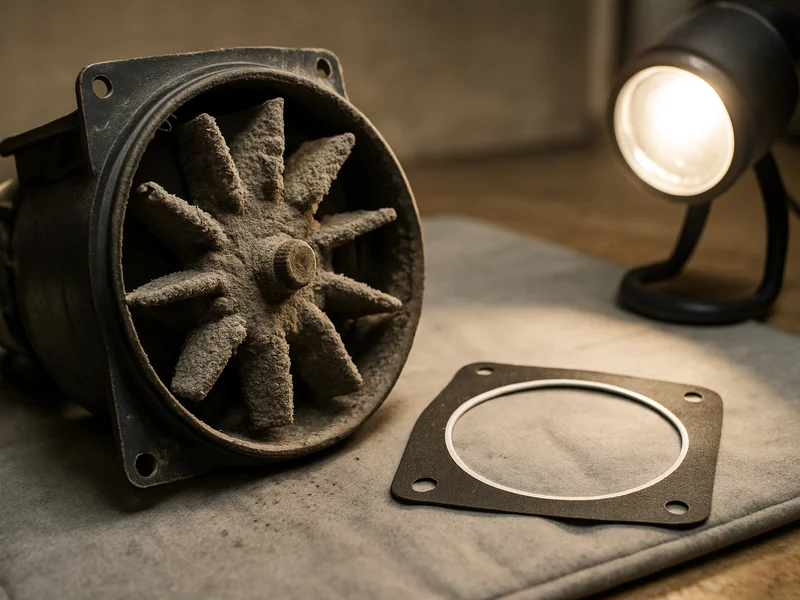
An ash-caked pellet stove exhaust blower removed for cleaning
A pellet stove exhaust blower after a season. This is a service interval, not a fault.

Tell us about the job

Give us the basics and we will come back with a firm number, usually the same day. A photo of the chimney or the stove tells us more than anything you can type.

Rather talk it through?(928) 555-0194

What the White Mountains Do to a Chimney

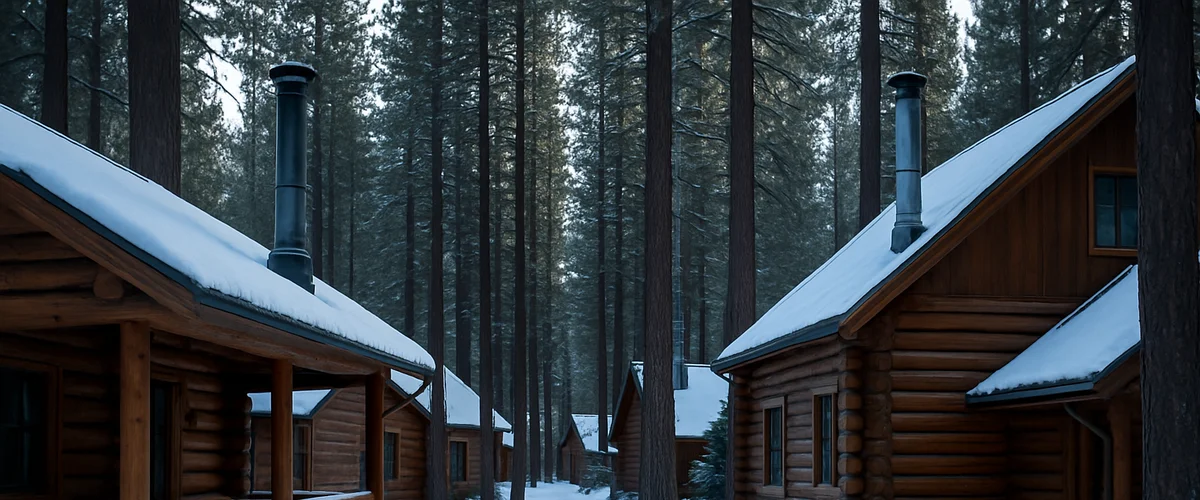
Most people are surprised that chimney work is a real trade in Arizona. It is, and the reason is elevation. Show Low sits at 6,400 feet, Pinetop-Lakeside at 7,200, and both get snow, hard freezes and a heating season that runs October to April. They also sit in the largest continuous stand of ponderosa pine in the world, which means firewood is cheap, abundant and right outside. Wood and pellet heat is not a novelty up here - it is how a lot of these houses actually get warm.

The thing that makes this market different from the mountain West generally is that the main enemy is water, not heat. The Arizona monsoon runs July through September and delivers most of the year's rain in a matter of weeks, in volumes that a dry-climate roof detail was often not built for. Every crack in a crown, every failed mortar joint and every tired bit of flashing takes that water in. Then winter arrives, freezes it, and levers the gap wider. Run that cycle for twenty years and the chimney is not weathered, it is coming apart - and it starts at the crown almost every time.

The third factor is who owns the houses. A large share of the cabins in Pinetop, Lakeside and up toward Greer belong to people in Phoenix and Mesa who come up on weekends and holidays. That means intermittent heating, which produces worse deposits than steady burning because every cold start condenses moisture in the flue. It also means nobody is on site for months at a stretch to notice a cap that lifted, a summer's worth of pine needles in an open flue, or a bird that moved in during May.
Where We Work

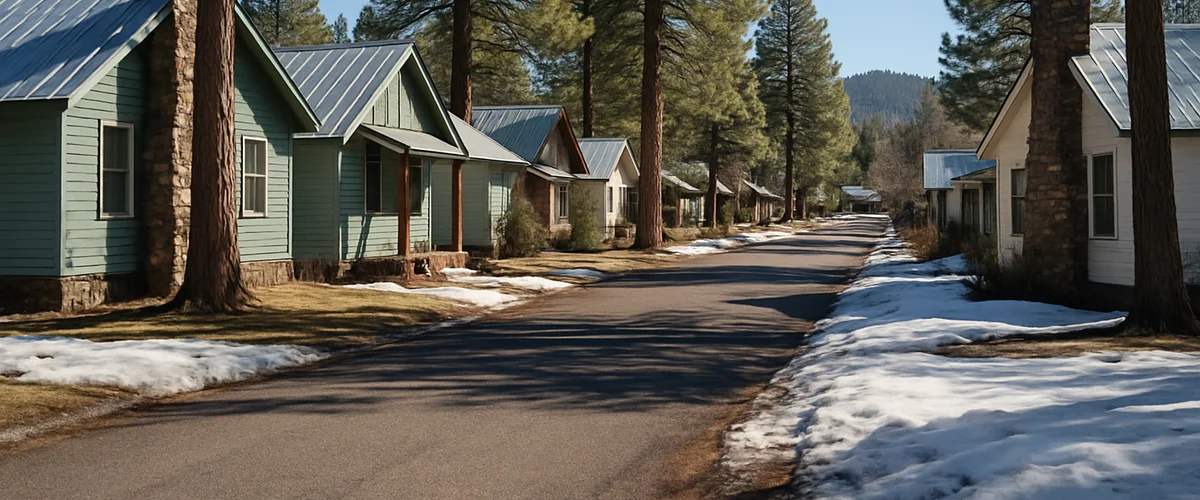
Three towns, one county, one rate - and no travel surcharge to any of them.

Why People Call Us

01

You get a price, not a range

Quoted before we start, and that is the number on the invoice. Nothing gets found halfway through that quietly doubles it.

02

We tell you when you don't need us

A clean flue is a clean flue. Selling a sweep that is not due is how this trade earned its reputation, and we would rather keep the phone call than the invoice.

03

Everything is written down

Photographs and a plain written finding, handed over whether or not you buy anything. Useful at insurance renewal and useful if you want a second opinion.

04

Cabins and absentee owners understood

If you are three hours away in the Valley, we will send photographs of what we found and what we did, so you are not taking anybody's word for it.

Questions We Get a Lot

How often does a chimney need sweeping up here?

NFPA 211 asks for an inspection at least once a year and cleaning as the inspection dictates. A stove that carries a White Mountains winter almost always earns an annual sweep. A fireplace lit a dozen evenings a season usually does not, and we will tell you that rather than sell you one.

Wait - people burn wood in Arizona?

Show Low sits at 6,400 feet and Pinetop at 7,200. Snow, hard freezes and a real heating season from October to April, in the largest continuous ponderosa pine forest on earth. Wood and pellet heat is normal here in a way it never is down in the valley. Half our summer calls come from people who bought a cabin and assumed Arizona meant no chimney.

What does a sweep cost?

Most single-flue sweeps with a Level 1 inspection run $180 to $280, depending on roof pitch and how much creosote is up there. Tall stone chimneys on timber-frame homes and anything needing rope access cost more. You get the number before we start.

Why do you push waterproofing so hard in summer?

Because the monsoon does more damage to masonry here than fire does. July to September dumps most of the year's rain in a few weeks, it goes into every crack in a crown, and then winter freezes it and levers the joints apart. Crown work costs a few hundred dollars. A liner that has been getting wet for a decade is a different conversation entirely.

Nobody has been at the cabin since last winter. Better or worse?

Worse, usually, and it surprises people. A flue that goes cold between visits condenses on every start and builds the tarry deposits that come from cold fires, and nobody is there to notice a cap that blew off in a spring wind or a summer's worth of pine needles in an open flue. Look before the first fire, not after.

Sweep in autumn, seal in summer

September and October fill first for sweeping. Crown and waterproofing work wants to happen before the monsoon, not after it.

Call (928) 555-0194 Get a Quote